
Omega-3: Supporting every stage of motherhood
Scientifically proven Omega-3 supplements, specially selected for pregnancy and while breastfeeding to help you nourish your body.
Omega-3: Supporting every stage of motherhood
Scientifically proven Omega-3 supplements, specially selected for pregnancy and while breastfeeding to help you nourish your body.
Benefits of Omega-3 during pregnancy

大腦健康
DHA(一種 Omega-3 脂肪酸)有助於胎兒和母乳餵養嬰兒的大腦能正常發育。

眼睛健康
DHA 脂肪酸有助於維持正常視力,並促進胎兒眼睛的正常發育。

心臟健康
EPA 和 DHA 有助於維持正常心臟功能、正常血液三酸甘油酯數值和正常血壓。

妊娠結果
母親在懷孕和哺乳期間攝取的 Omega-3 脂肪酸,特別是 DHA,有助於胎兒和母乳餵養嬰兒的大腦和眼睛能正常發育。
一系列新鮮且口味濃鬱的產品。
選擇易於消化的液體、易於吞嚥的膠囊、水溶性配方和素食替代品。
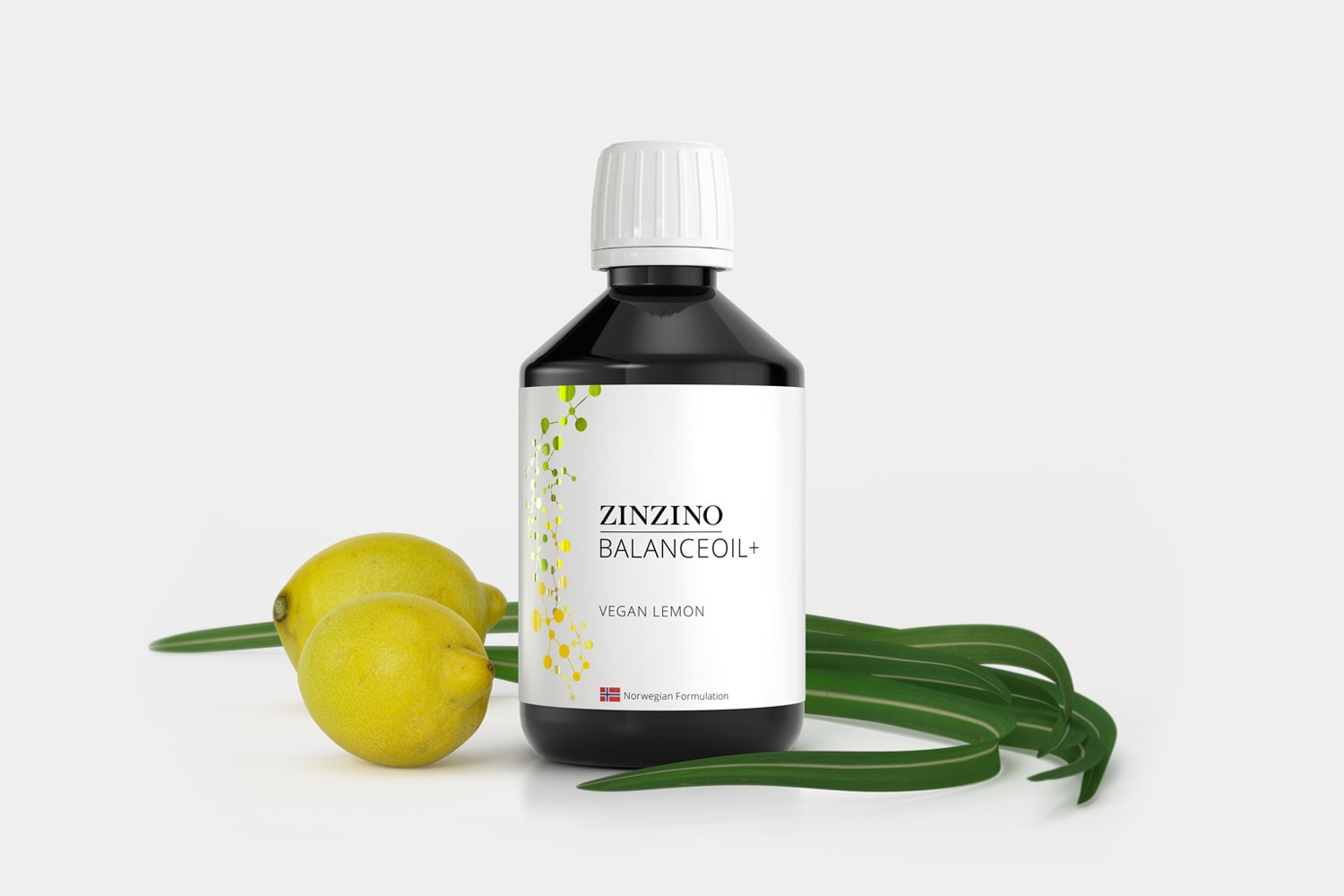
BalanceOil+ Vegan
第一種植物性魚油替代品,可提供有意義的 EPA 和 DHA 含量 - 經過素食協會認證。

BalanceOil Tutti Frutti 平衡油綜合水果風味
我們的兒童友善配方具有 Tutti Frutti 口味,並根據年齡提供適合的劑量建議。
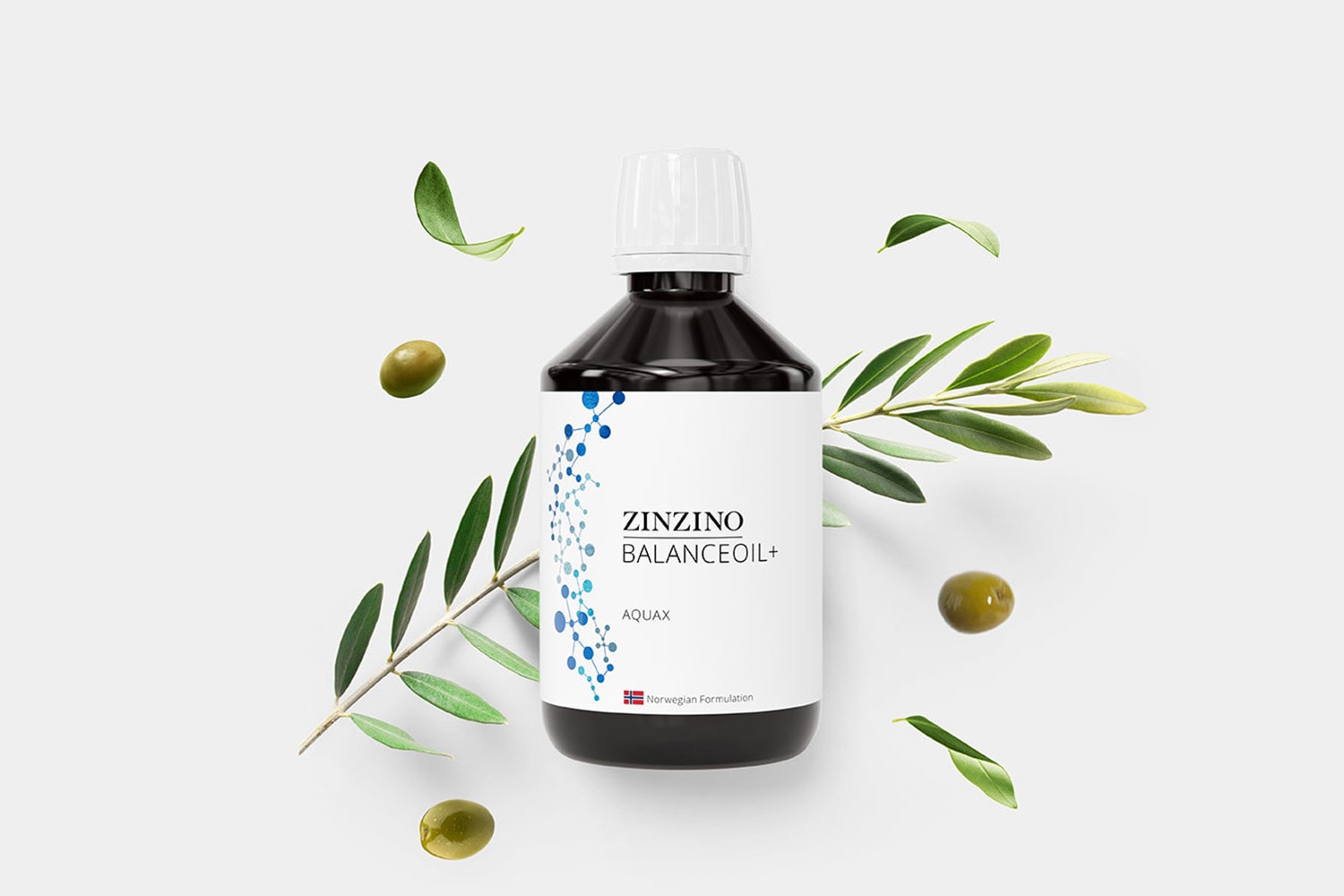
BalanceOil+ AquaX
我們獨特的專有混合物採用水溶性配方,可改善風味、質地,並在許多情況下改善 Omega-3 的吸收。
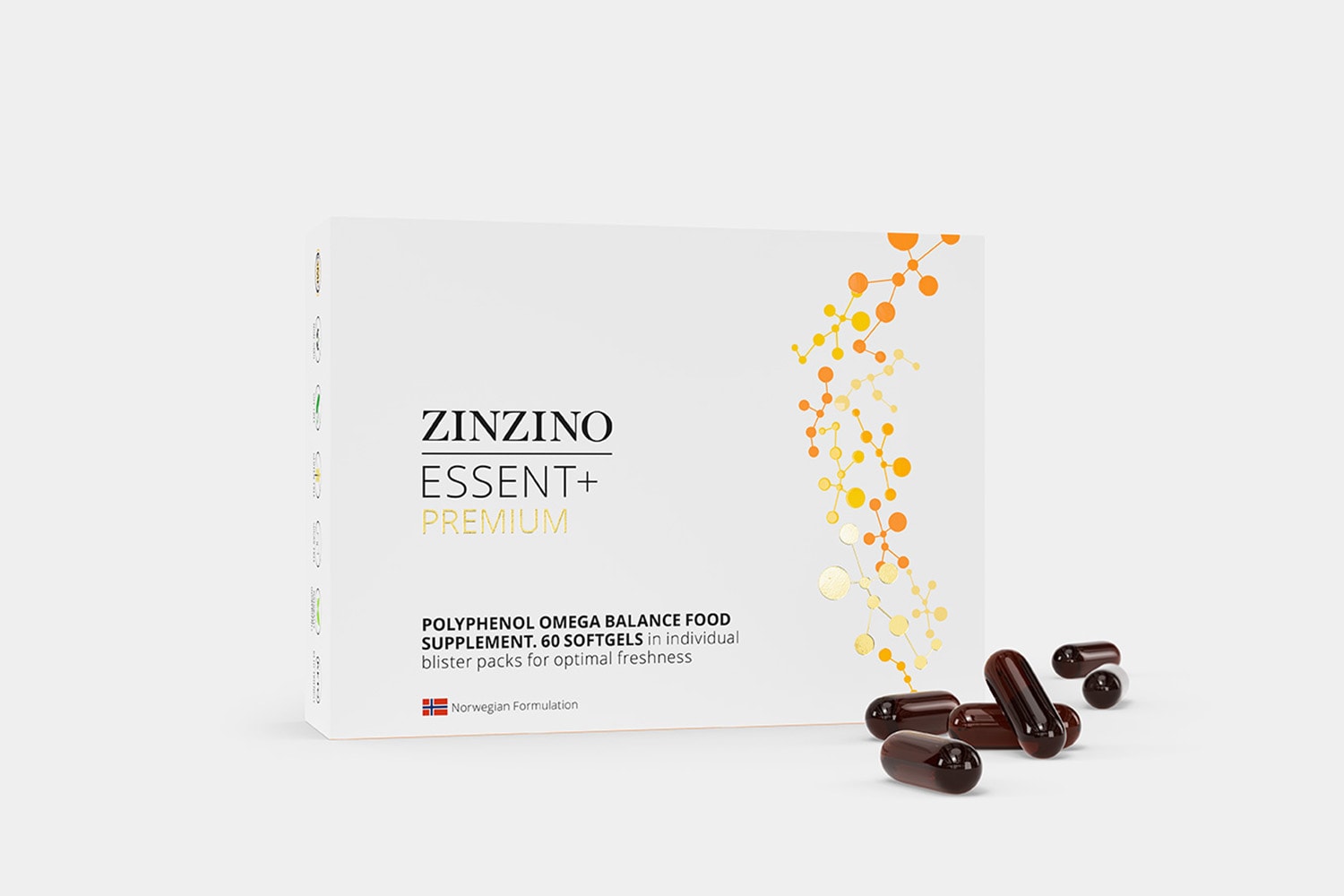
Essent+ Premium
易於消化的軟膠囊,由純魚油和精確量的 REVOO、橄欖果萃取物和可可粉混合而成。

BalanceOil+ Premium
可持續來源的純魚油和 REVOO 的特殊混合物;我們的優質、專利特級初榨橄欖油。
Our range of Omega-3 supplements
備孕
來自海洋的 Omega-3 脂肪酸,尤其是 DHA 和 EPA,對您的整體健康和幸福至關重要。它們有助於調節荷爾蒙和促進健康卵子的發育,這對生育能力至關重要。懷孕前優化這些營養攝取,可以為孕育寶寶做好身體準備。

Carrying a baby
When you're pregnant, the body releases its own DHA stores into the bloodstream to make sure the fetus gets enough of these essential fatty acids to develop its brain and eye. Experts recommend you to keep a close eye on your Omega-3 levels during this stage to ensure both yours and your baby's needs are met.

生孩子
分娩後,持續監測 Omega-3 脂肪酸的補給是關鍵要點,因為其攝取可能會失衡。有些女性在產後兩週內,血液中的膽固醇水平可能會下降高達 50%,而且這些膽固醇水平可能需要長達六個月的時間才能完全恢復。攝取各類充足的 Omega-3 脂肪酸對您和您的哺乳寶寶都非常重要。

Keep track of your changing body
Maintaining a balanced intake of EPA and DHA—at least 200 mg DHA per day - is commonly recommended during pregnancy and lactation to support maternal and infant health as part of a varied, healthy diet. Monitor these levels through blood testing to get a clearer picture of your maternal Omega-3 status and ensure optimal health.
OUR HEALTH TEST

Frequently asked questions
During pregnancy, your body’s reserves of EPA and DHA Omega‑3 fatty acids are shared with your growing baby. In the third trimester, fatty acid levels may be altered due to metabolic and hematological changes, which can influence test values. For this reason, taking the BalanceTest in the first trimester or early in the second may provide more representative results. After giving birth, it is generally advisable to wait a few months before taking a new test to check and monitor your Omega‑3 status.
There are several important nutrients that your body needs more of when you are pregnant. Most of them are included in a varied and balanced diet. However, certain nutrients stand out in their significance during this period in life like Folic acid, iron, and Omega-3 DHA. Omega-3 fatty acids are classified as essential. This means our bodies cannot produce them on their own; instead, we must obtain them from our diet. Among all the Omega-3 fats, DHA is particularly crucial during pregnancy, because it is vital for the development of the fetal brain and eyes. Recent studies have also provided strong evidence that higher DHA blood levels during pregnancy are associated with a healthier birth weight and a reduced risk of early preterm birth.
The timing for starting Omega-3 supplements can vary and it's always best to consult with your healthcare provider for personalized advice. Here's a breakdown of potential benefits at different times:
Before pregnancy: Starting Omega-3 supplements before conception can prepare your body for the demands of pregnancy. It helps create a nutritional buffer that can be useful during and even after pregnancy. Some studies indicate that Omega-3s might enhance fertility, especially if the current levels are low.
During pregnancy: Initiating Omega-3 supplementation during pregnancy provides various benefits. DHA, in particular, plays a pivotal role in your baby's brain and eye development. Additionally, both EPA and DHA support your well-being during this period. Incorporating these supplements enhances health outcomes for both you and your growing baby.
After pregnancy: Starting Omega-3s postpartum remains beneficial, more so if you choose to breastfeed. Maternal intake of Omega-3, especially DHA, enriches breast milk, which is vital for a nursing baby's ongoing brain and eye development. Moreover, these supplements help replenish depleted bodily reserves, aiding in your postpartum recovery.
Remember! While starting early might offer cumulative benefits, there truly isn't a "wrong" time to begin supplementing your diet. Every stage in your pregnancy presents unique opportunities to thrive for both you and your growing baby.
Both EPA and DHA are Omega-3 fatty acids with unique roles during pregnancy. DHA is particularly known for its importance in the brain and eye development of the baby. EPA, while also beneficial, has traditionally been linked more to heart health and the immune system.
However, emerging research indicates that EPA plays a more critical role in pregnancy than previously thought. For instance, EPA may assist in effectively transporting DHA across the placenta to the fetus, making both EPA and DHA important for optimal nutrient delivery.
It's worth mentioning that both EPA and DHA are naturally found in fish, a commonly recommended food source for pregnant women. When dietary recommendations advocate for increased fish intake during pregnancy, it implicitly suggests that you're getting a balanced intake of both EPA and DHA. Therefore, both fatty acids are needed to fully leverage their health benefits.
Absolutely. Omega-3s aren't the only game in town when it comes to nutritional needs during pregnancy. Other key supplements often recommended include folic acid, choline, iron, calcium, and Vitamin D. Your healthcare provider can give you tailored advice on what supplements you may need.