
Omega-3: Supporting every stage of motherhood
Third-party tested omega-3 supplements, specially selected for pregnancy and while breastfeeding to complement your daily nutritional needs.
Omega-3: Supporting every stage of motherhood
Third-party tested omega-3 supplements, specially selected for pregnancy and while breastfeeding to complement your daily nutritional needs.
Discover our Maternity Balance Kit
Benefits of Omega-3 during pregnancy

Brain function
DHA maternal intake contributes to the normal brain development of the fetus and breastfed infants.

Eye function
DHA maternal intake contributes to the normal development of the eye of the fetus and breastfed infants.

Heart function
EPA and DHA contribute to the normal function of the heart* and maintenance of normal blood triglyceride levels**.

Pregnancy support
Maternal intake of Omega-3 fatty acids, particularly DHA, contribute to the normal brain and eye development of the fetus and breastfed infants.
*The beneficial effect is obtained with a daily intake of 250 mg EPA and DHA.
**The beneficial effect is obtained with a daily intake of 2 g EPA and DHA.
You should not exceed a supplemental daily intake of 5 g EPA and DHA combined.
Our maternity range of omega-3 supplements
A fresh and flavored range
Choose between easily digested liquids, easy-to-swallow softgels, a water-soluble formula, and a vegan alternative.
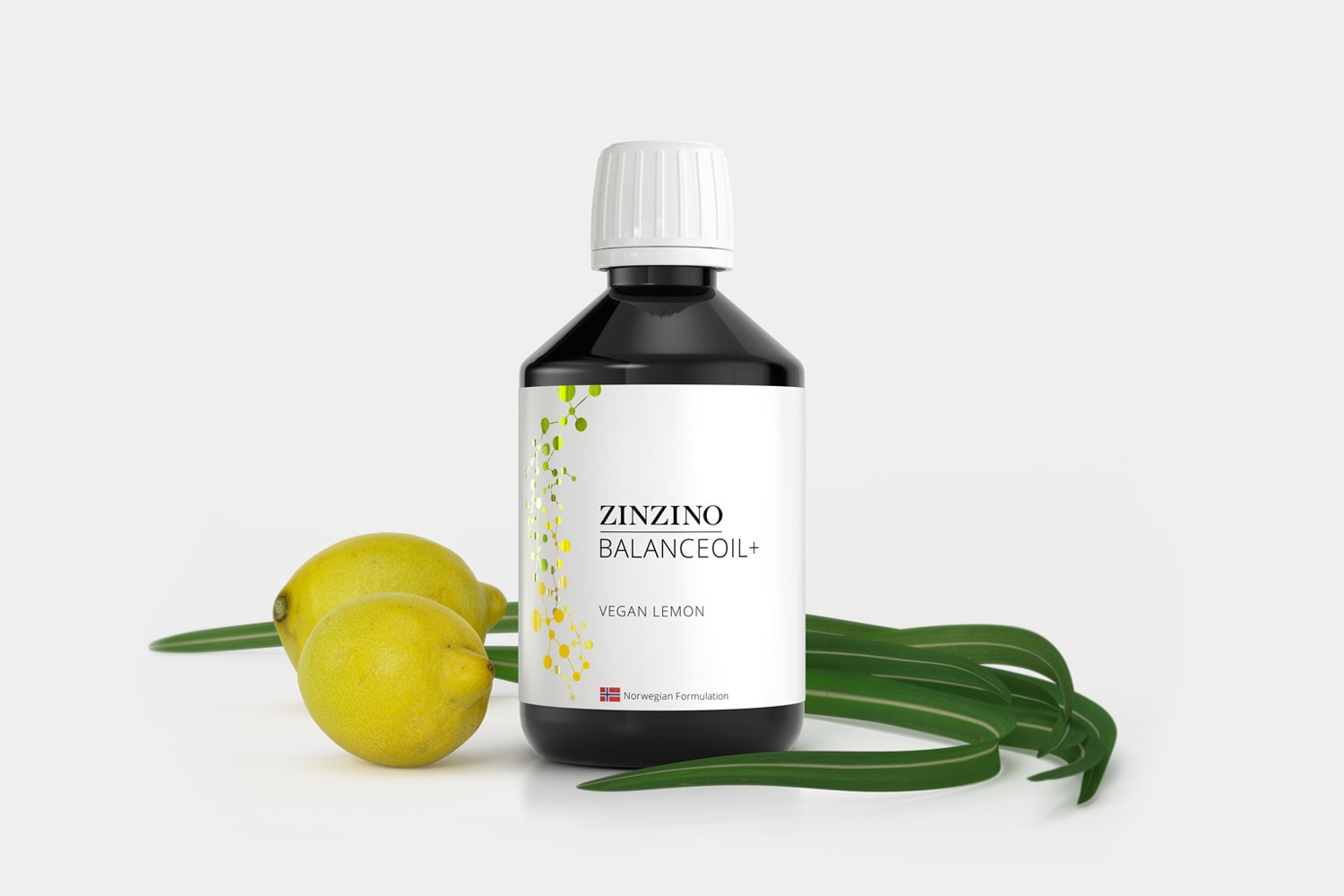
BalanceOil+ Vegan
The first plant-based alternative to fish oil delivering meaningful levels of both EPA and DHA – certified by The Vegan Society.
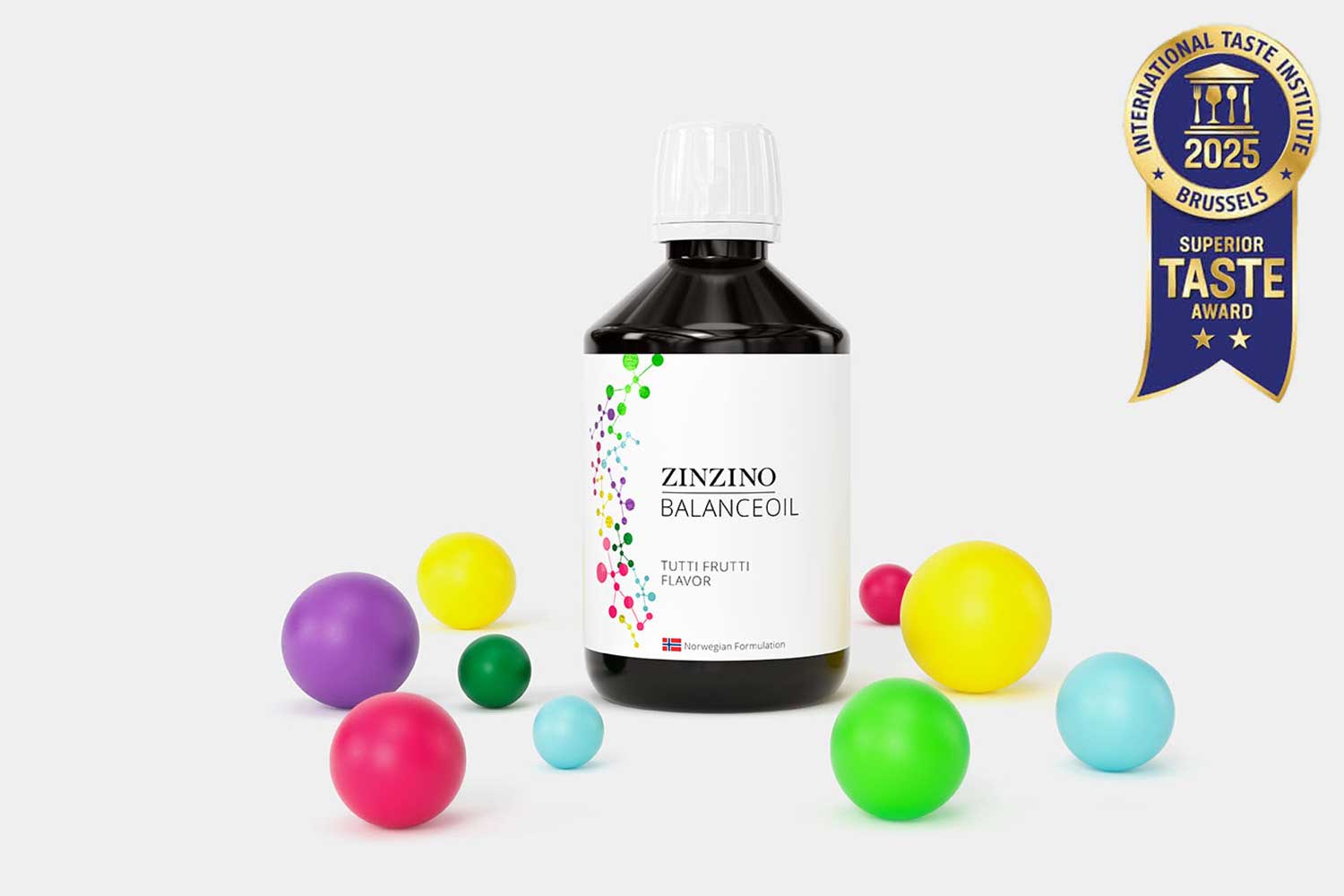
BalanceOil Tutti Frutti
Our kid-friendly formula in a Tutti Frutti flavor with age-appropriate dosage recommendations.
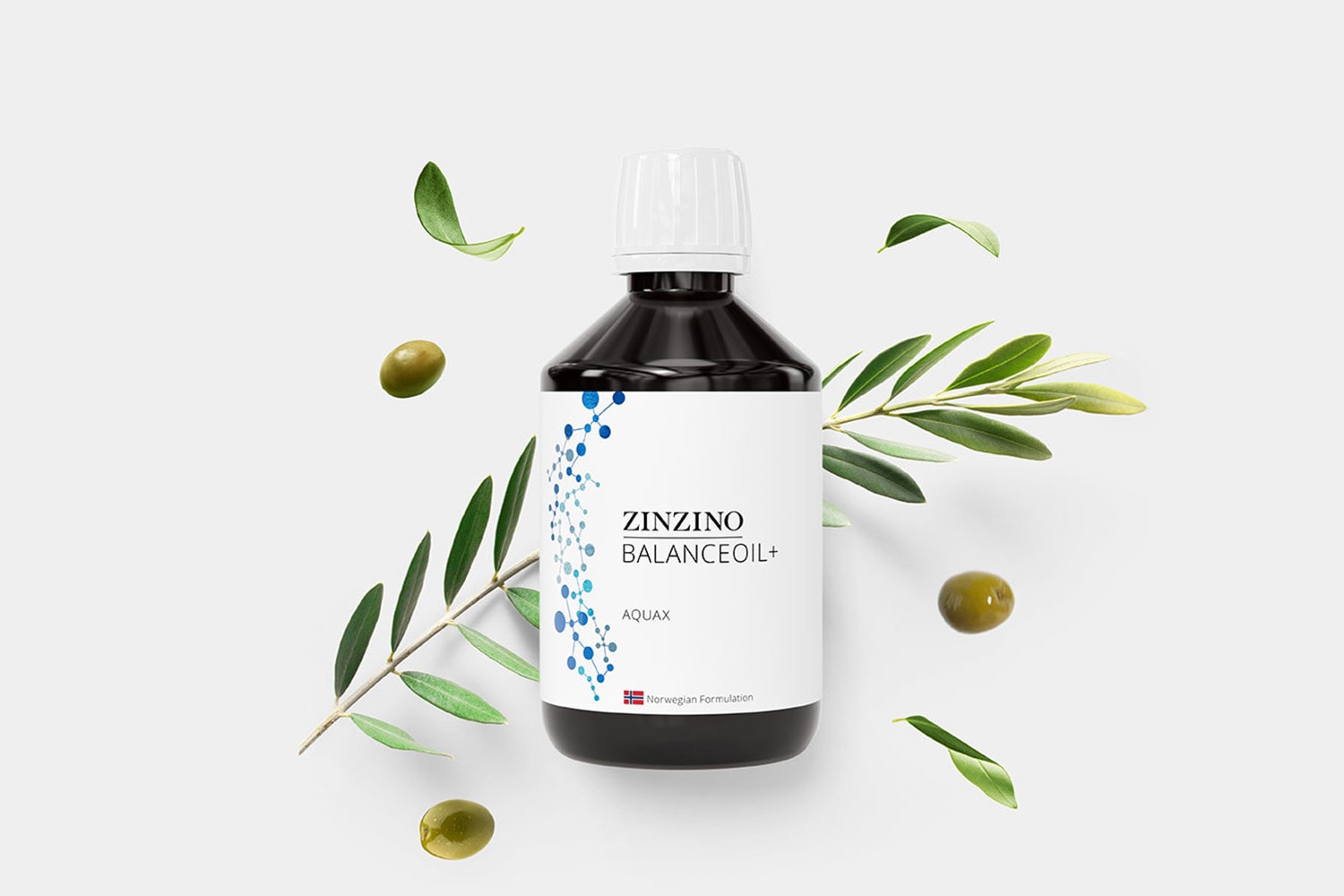
BalanceOil+ AquaX
Our unique, proprietary blend in a water-soluble formula to improve taste, texture and in many cases the absorption of Omega-3.
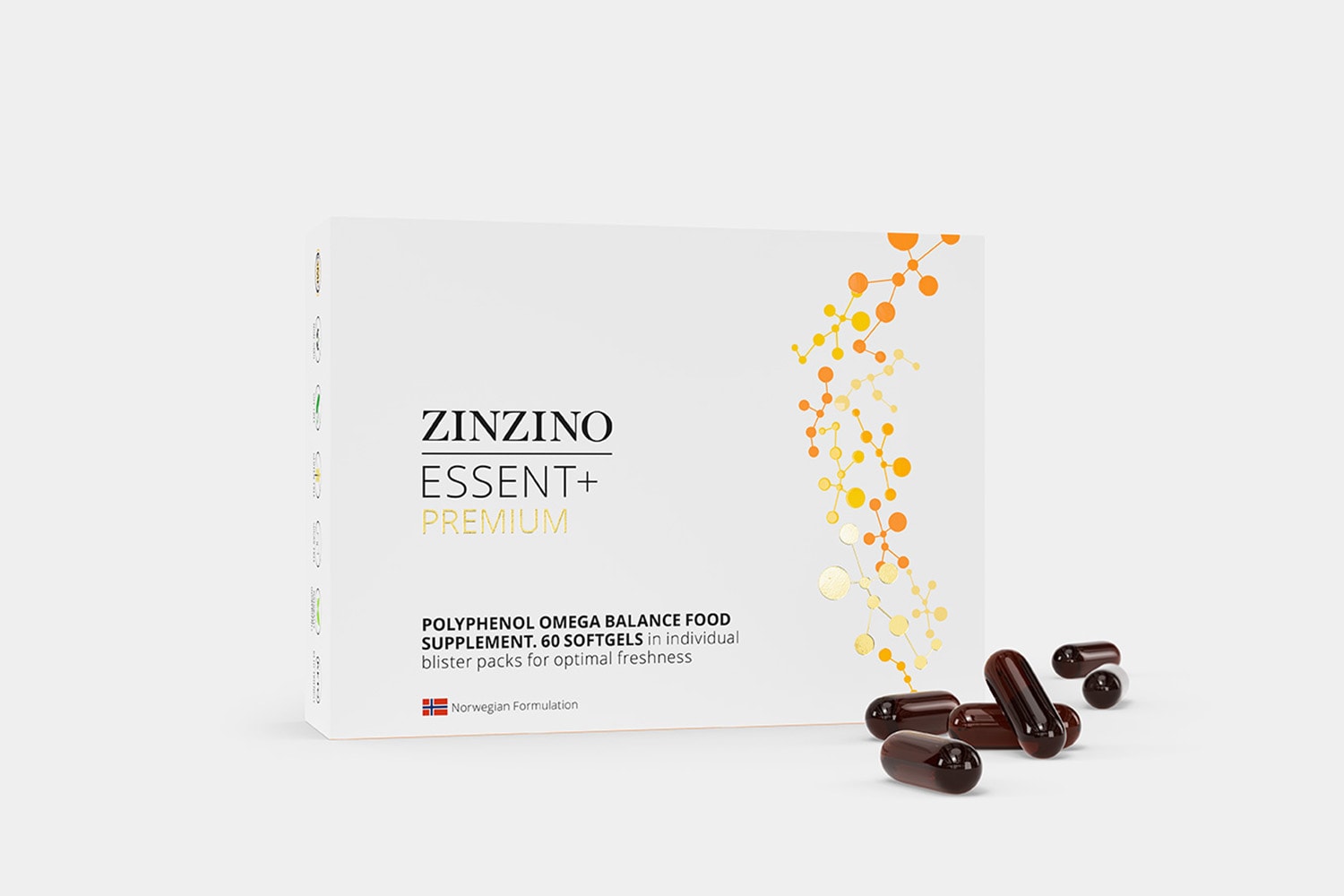
Essent+ Premium
Easily digested softgels in our most superior blend of pure fish oil and a precise measure of R.E.V.O.O, olive fruit extract and cocoa powder.

BalanceOil+ Premium
An exceptional blend of sustainably sourced pure fish oil and R.E.V.O.O; our most superior, patented extra virgin olive oil.

R.E.V.O.O
Our superior, patented extra virgin olive oil from early harvest Koroneiki olives, offering 30 times more antioxidants than standard olive oil.
Trying for a baby
Marine omega-3 fatty acids, especially DHA and EPA*, are key players for your overall well-being. Maintaining normal nutrient levels before pregnancy prepares your body for carrying a baby.

Carrying a baby
When you're pregnant, DHA intake contributes to the normal brain and eye development of the fetus. Experts recommend keeping an eye on your omega-3 intake during this stage to help support both your and your baby’s needs.
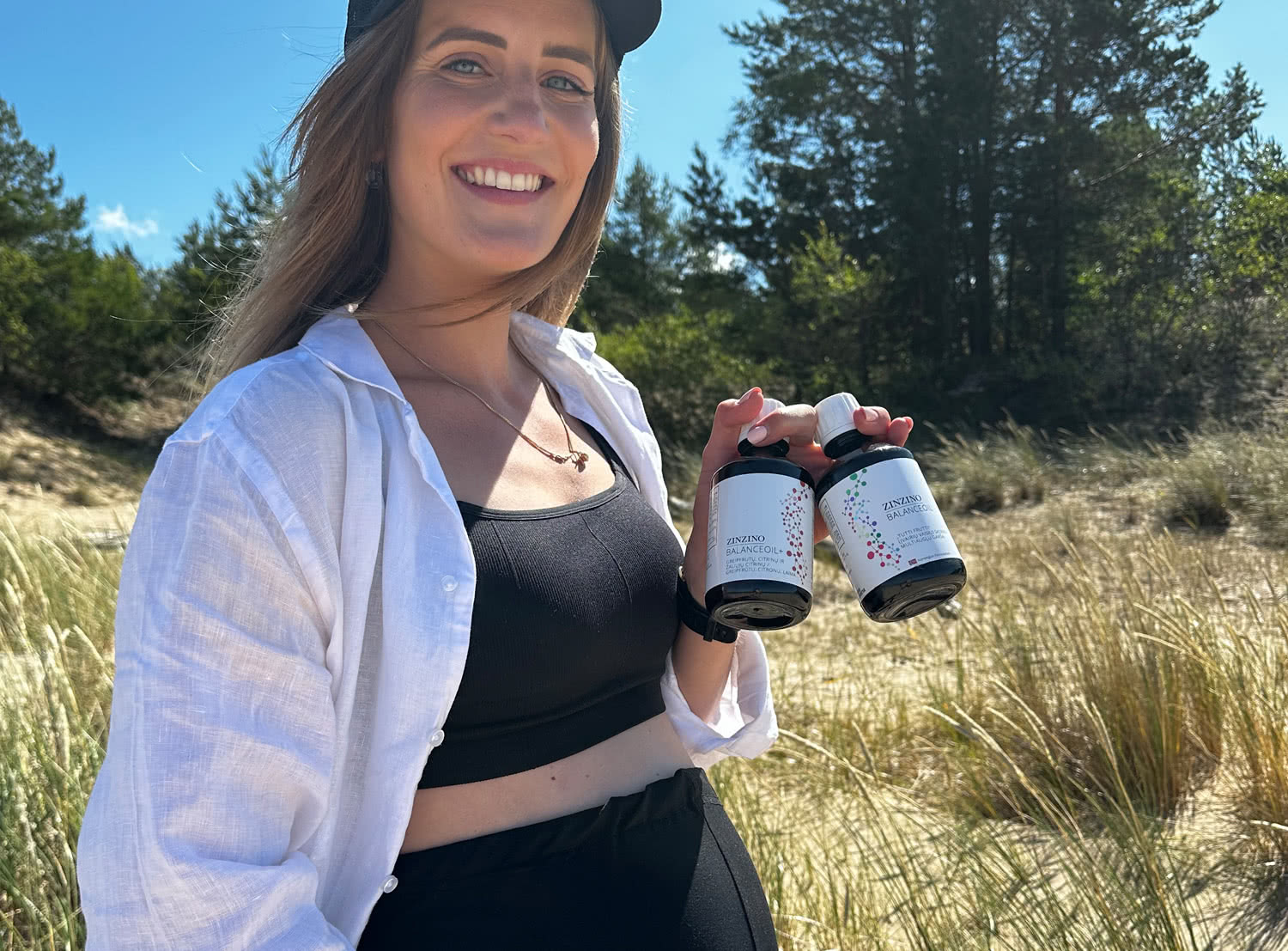
Having a baby
After giving birth, it is recommended to continue monitoring your omega-3 levels as they may decrease. Some women may experience as much as 50% drop only two weeks postpartum, and it can take up to six months for these levels to fully replenish. Getting enough omega-3s is essential for both you and your nursing baby*.

Keep track of your changing body
Maintaining a balanced intake of EPA and DHA* - at least 200 mg DHA per day - is commonly recommended during pregnancy and lactation as part of a varied, healthy diet. You may also monitor these levels through blood testing to get a clearer picture of your maternal omega-3 status.
OUR BALANCETEST

Frequently asked questions
During pregnancy, your body’s reserves of EPA and DHA Omega‑3 fatty acids are shared with your growing baby. In the third trimester, fatty acid levels may be altered due to metabolic and hematological changes, which can influence test values. For this reason, taking the BalanceTest in the first trimester or early in the second may provide more representative results. After giving birth, it is generally advisable to wait a few months before taking a new test to check and monitor your Omega‑3 status.
There are several important nutrients that your body needs more of when you are pregnant. Most of them are included in a varied and balanced diet. However, certain nutrients stand out in their significance during this period in life like Folic acid, iron, and Omega-3 DHA. Omega-3 fatty acids are classified as essential. This means our bodies cannot produce them on their own; instead, we must obtain them from our diet. Among all the Omega-3 fats, DHA is particularly crucial during pregnancy, because it is vital for the development of the fetal brain and eyes. Recent studies have also provided strong evidence that higher DHA blood levels during pregnancy are associated with a healthier birth weight and a reduced risk of early preterm birth.
The timing for starting Omega-3 supplements can vary and it's always best to consult with your healthcare provider for personalized advice. Here's a breakdown of potential benefits at different times:
Before pregnancy: Starting Omega-3 supplements before conception can prepare your body for the demands of pregnancy. It helps create a nutritional buffer that can be useful during and even after pregnancy. Some studies indicate that Omega-3s might enhance fertility, especially if the current levels are low.
During pregnancy: Initiating Omega-3 supplementation during pregnancy provides various benefits. DHA, in particular, plays a pivotal role in your baby's brain and eye development. Additionally, both EPA and DHA support your well-being during this period. Incorporating these supplements enhances health outcomes for both you and your growing baby.
After pregnancy: Starting Omega-3s postpartum remains beneficial, more so if you choose to breastfeed. Maternal intake of Omega-3, especially DHA, enriches breast milk, which is vital for a nursing baby's ongoing brain and eye development. Moreover, these supplements help replenish depleted bodily reserves, aiding in your postpartum recovery.
Remember! While starting early might offer cumulative benefits, there truly isn't a "wrong" time to begin supplementing your diet. Every stage in your pregnancy presents unique opportunities to thrive for both you and your growing baby.
Both EPA and DHA are Omega-3 fatty acids with unique roles during pregnancy. DHA is particularly known for its importance in the brain and eye development of the baby. EPA, while also beneficial, has traditionally been linked more to heart health and the immune system.
However, emerging research indicates that EPA plays a more critical role in pregnancy than previously thought. For instance, EPA may assist in effectively transporting DHA across the placenta to the fetus, making both EPA and DHA important for optimal nutrient delivery.
It's worth mentioning that both EPA and DHA are naturally found in fish, a commonly recommended food source for pregnant women. When dietary recommendations advocate for increased fish intake during pregnancy, it implicitly suggests that you're getting a balanced intake of both EPA and DHA. Therefore, both fatty acids are needed to fully leverage their health benefits.
Absolutely. Omega-3s aren't the only game in town when it comes to nutritional needs during pregnancy. Other key supplements often recommended include folic acid, choline, iron, calcium, and Vitamin D. Your healthcare provider can give you tailored advice on what supplements you may need.
Zinzino blog
*Sources
DHA contributes to the maintenance of normal brain function (requires a daily intake of 250 mg of DHA). Docosahexaenoic acid (DHA) maternal intake contributes to the normal brain development of the fetus and breastfed infants (requires a daily intake of 200 mg of DHA on top of 250 mg of DHA and EPA for pregnant and lactating women).
EPA and DHA contribute to the normal function of the heart (requires a daily intake of 250 mg of EPA and DHA)
Vitamin D contributes to the normal function of the immune system.
Levant, 2011; Markhus, et al., 2015. Docosahexaenoic Acid Status in Pregnancy Determines the Maternal Docosahexaenoic Acid Status 3-, 6- and 12 Months Postpartum. Results from a Longitudinal Observational Study. PloS one, 10(9), e0136409.
Food supplements should not be used as a substitute for a varied and balanced diet and a healthy lifestyle. Our self-screening health tests are intended for informational purposes only, and the results should not be used to diagnose, treat, or cure.
**This is a collaboration with Zinzino. Wenda Nel and Krista Uzare may receive compensation, free products, or other benefits for sharing and endorsing our products. All opinions are their own.