
Omega-3: Supporting every stage of motherhood
Scientifically proven Omega-3 supplements, specially selected for pregnancy and while breastfeeding to help you nourish your body.
Omega-3: Supporting every stage of motherhood
Scientifically proven Omega-3 supplements, specially selected for pregnancy and while breastfeeding to help you nourish your body.
Discover our Maternity Balance Kit
Benefits of Omega-3 during pregnancy

Beyin sağlığı
Bir omega-3 yağ asidi olan DHA, fetüste ve anne sütüyle beslenen bebeklerde normal beyin gelişimine katkıda bulunur.

Göz sağlığı
DHA yağ asitleri normal görmeyi destekler ve fetüste normal göz gelişimine katkıda bulunur.

Kalp sağlığı
EPA ve DHA, kalbin normal fonksiyonuna, kandaki trigliserid seviyelerinin normal düzeyde olmasına ve normal kan basıncına katkıda bulunur.

Doğum sonucu
Omega-3 yağ asitleri, özellikle DHA, annenin hamilelik ve emzirme döneminde tüketmesi halinde fetüsün ve anne sütüyle beslenen bebeklerin normal beyin ve göz gelişimine katkıda bulunur.
Our maternity range of Omega-3 supplements
Doğal olarak taze ve lezzetli bir ürün yelpazesi
Kolay sindirilebilen sıvılar, kolay yutulabilen kapsüller, suda çözünebilen formül ve vegan alternatif arasından seçim yapın.
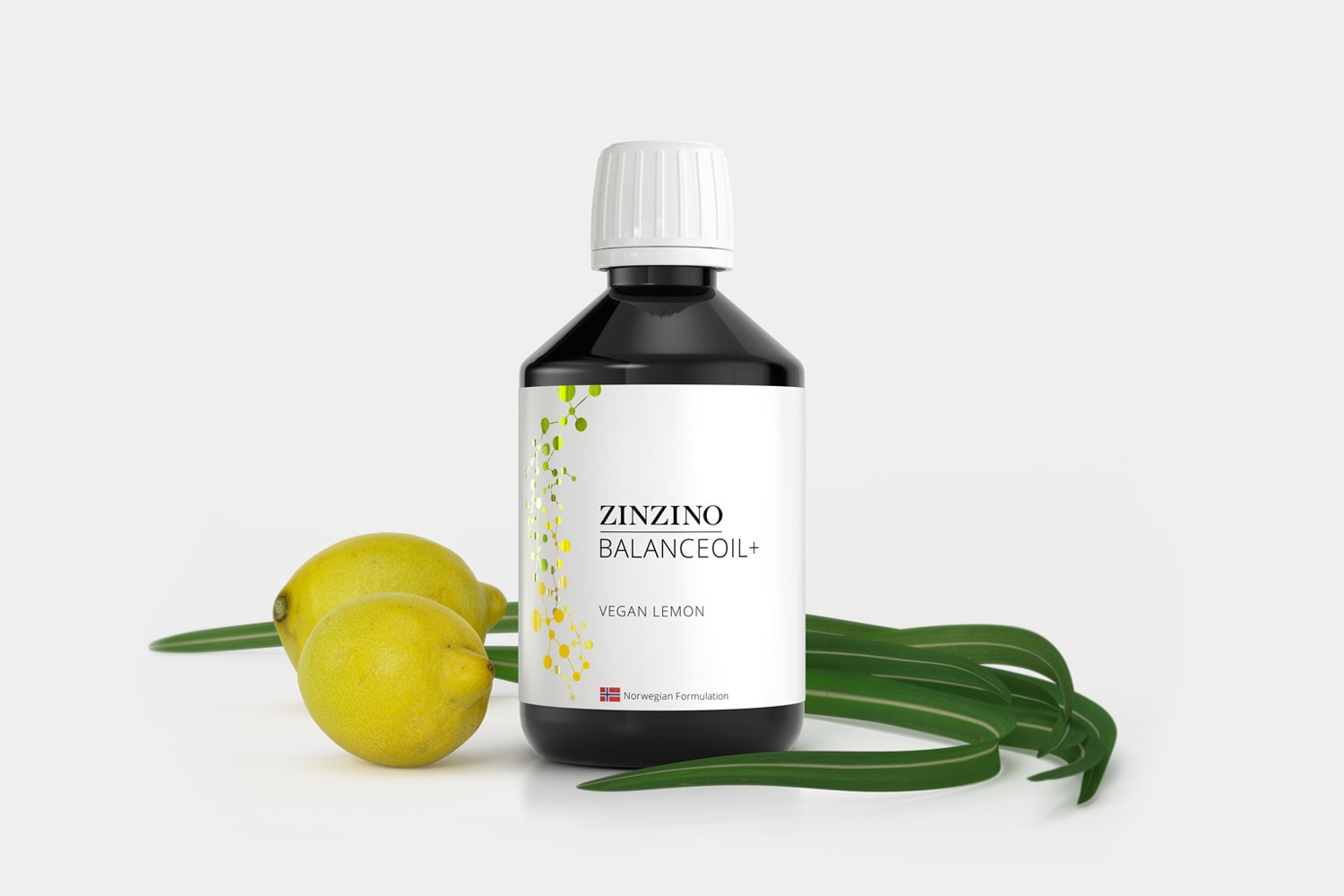
BalanceOil+ Vegan
Vegan Society tarafından sertifikalandırılmış, EPA ve DHA'nın her ikisini de anlamlı düzeylerde içeren ilk bitki bazlı balık yağı alternatifi.
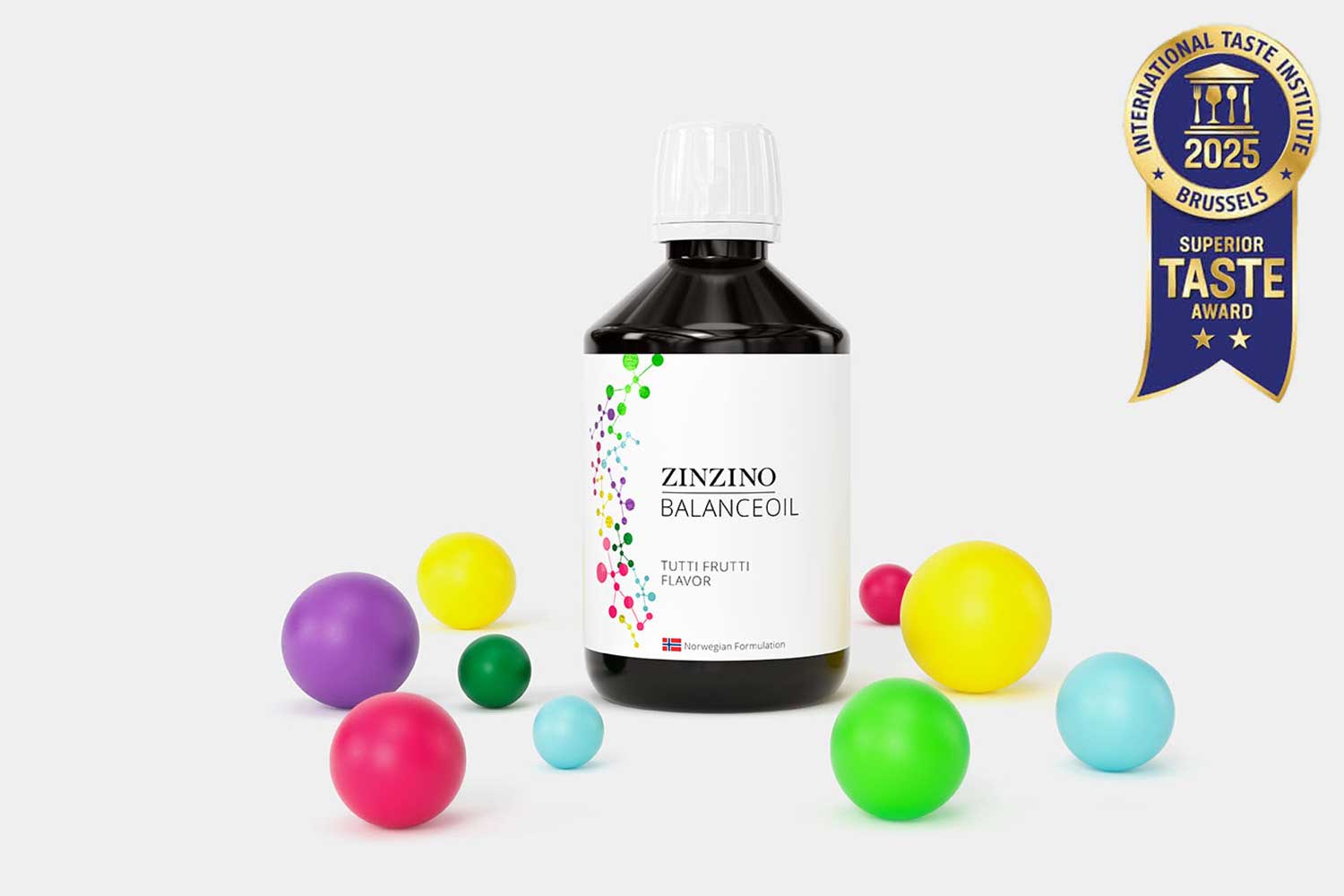
BalanceOil Tutti Frutti
Çocuklara uygun formülümüz, Tutti Frutti aromalı ve yaşa uygun dozaj önerileriyle.
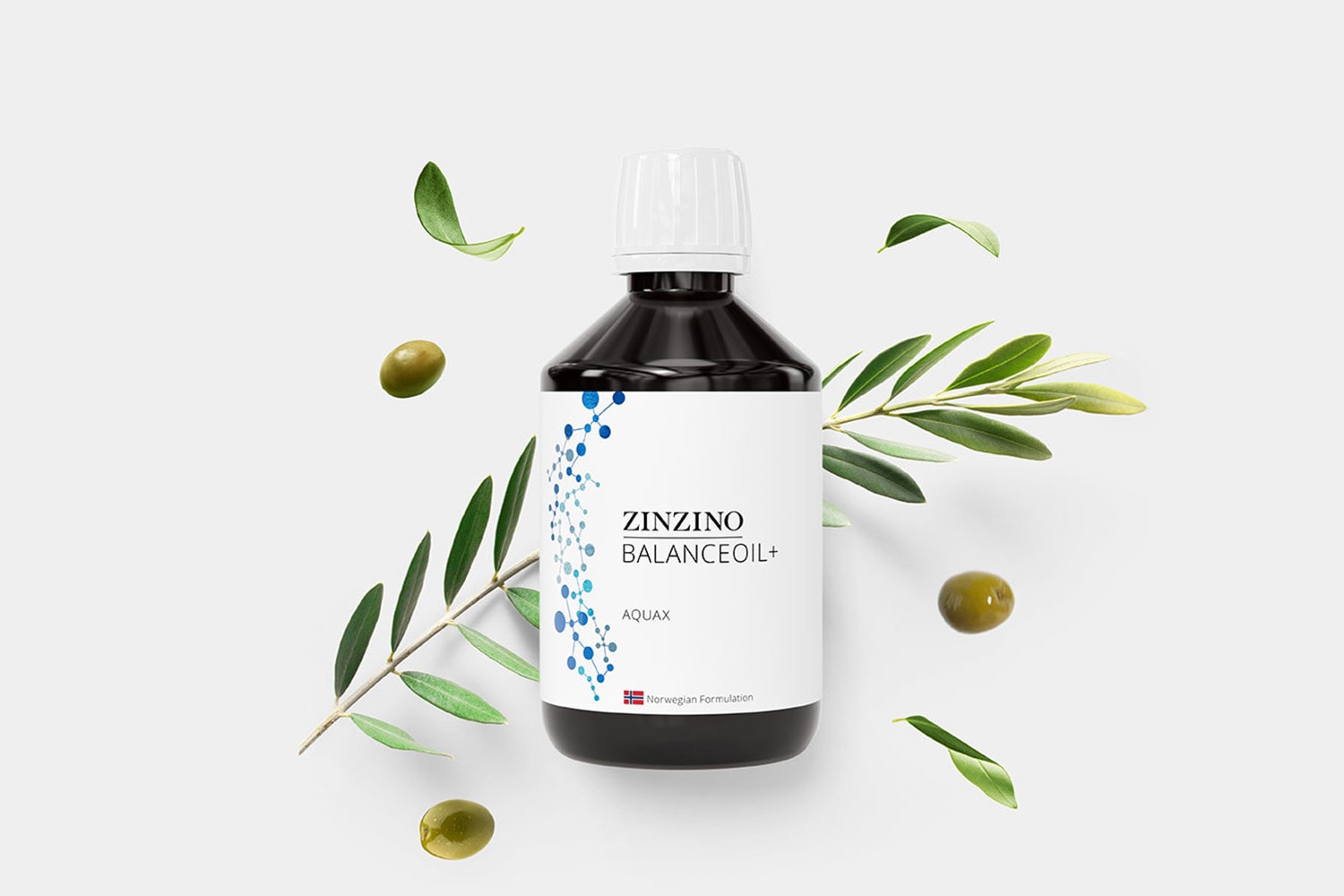
BalanceOil+ AquaX
Tadı, dokuyu ve birçok durumda Omega-3'ün emilimini iyileştirmek için suda çözünür formülümüzde bulunan benzersiz, tescilli karışımımız.
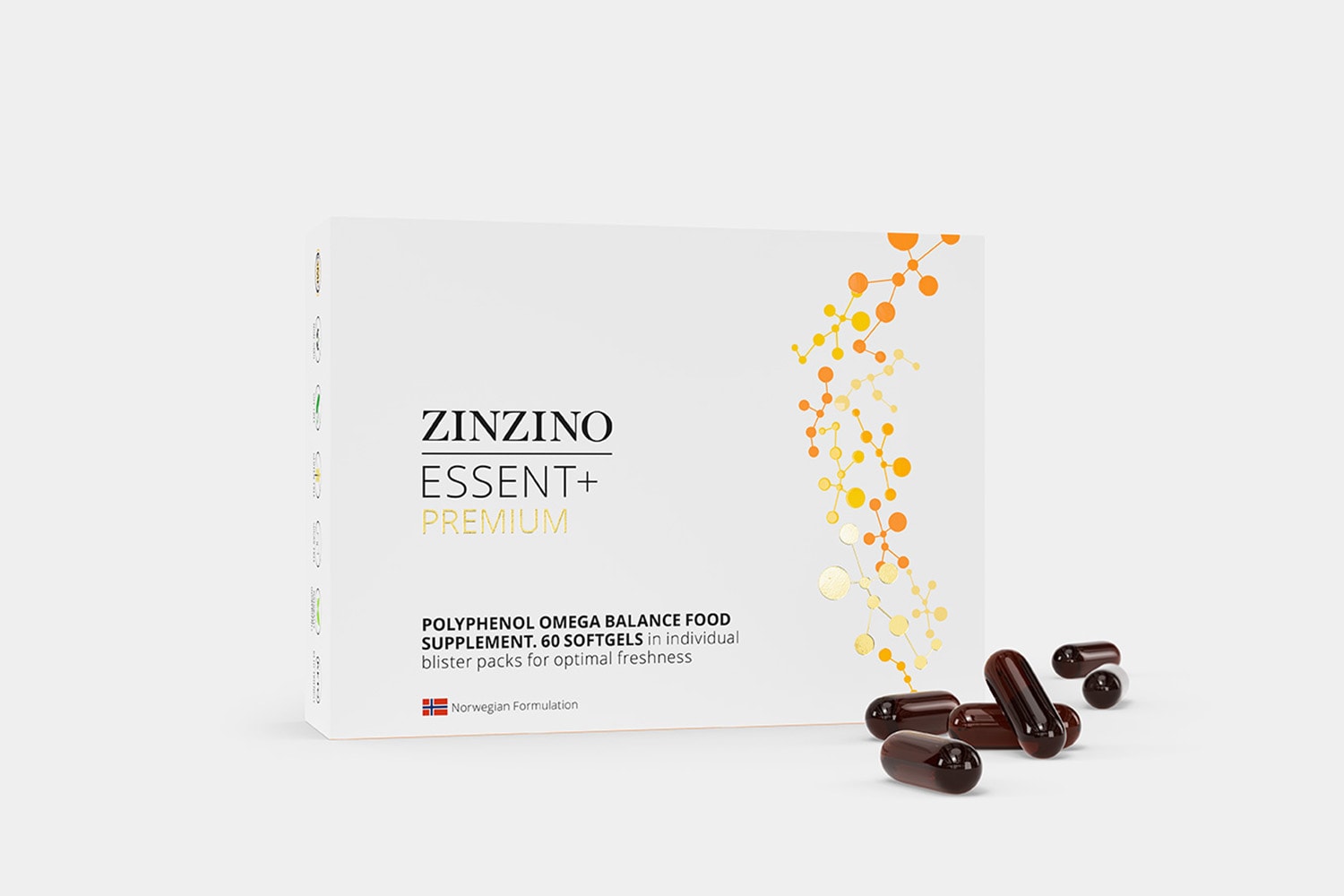
Essent+ Premium
Saf balık yağı ve hassas ölçülerde R.E.V.O.O, zeytin meyve özü ve kakao tozunun üstün bir karışımından oluşan, kolayca sindirilebilen yumuşak kapsüller.

BalanceOil+ Premium
Sürdürülebilir kaynaklardan elde edilen saf balık yağı ve R.E.V.O.O; üstün kaliteli, patentli sızma zeytinyağımızın olağanüstü karışımı.

R.E.V.O.O.
Erken hasat Koroneiki zeytinlerinden elde edilen üstün kaliteli, patentli sızma zeytinyağımız, standart zeytinyağına göre 30 kat daha fazla antioksidan içerir.
Bebek sahibi olmaya hazırlanmak
Deniz kaynaklı Omega-3 yağ asitleri, özellikle DHA ve EPA, genel sağlığınız ve iyi oluşunuz için kilit rol oynar. Hormonların düzenlenmesine ve doğurganlık için önemli olan sağlıklı yumurta hücrelerinin gelişimine katkıda bulunurlar. Hamile kalmadan önce bu besin öğelerinin seviyelerinin optimize edilmesi, vücudunuzu bir bebeği taşımaya hazırlar.

Carrying a baby
When you're pregnant, the body releases its own DHA stores into the bloodstream to make sure the fetus gets enough of these essential fatty acids to develop its brain and eye. Experts recommend you to keep a close eye on your Omega-3 levels during this stage to ensure both yours and your baby's needs are met.

Bebek sahibi olmak
Doğumdan sonra Omega-3 seviyelerinizi izlemeye devam etmek çok önemlidir, çünkü bu seviyeler düşüş gösterebilir. Bazı kadınlar doğumdan sadece iki hafta sonra %50'ye varan bir düşüş yaşayabilir ve bu seviyelerin tamamen yenilenmesi altı aya kadar sürebilir. Yeterli miktarda Omega-3 almak, hem sizin hem de emzirilen bebeğiniz için hayati öneme sahiptir.

Keep track of your changing body
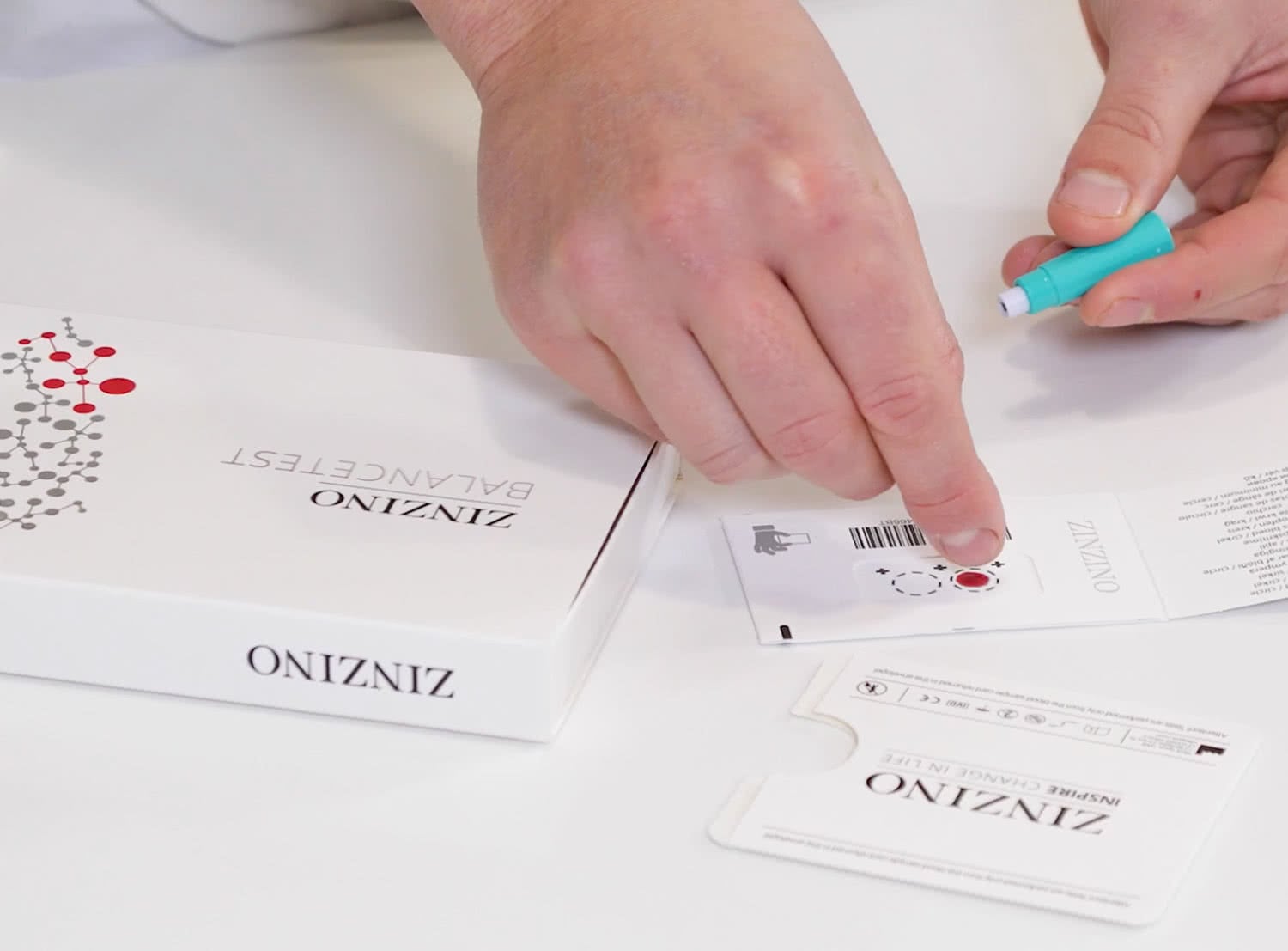
Maintaining a balanced intake of EPA and DHA—at least 200 mg DHA per day - is commonly recommended during pregnancy and lactation to support maternal and infant health as part of a varied, healthy diet. Monitor these levels through blood testing to get a clearer picture of your maternal Omega-3 status and ensure optimal health.
OUR HEALTH TEST
Sıkça Sorulan Sorular
Gebelik sürecinde, vücudunuzdaki EPA ve DHA Omega-3 düzeyleri bebeğinizin gelişimi için de kullanılır. Hamileliğin son üç ayında yaşanan metabolik ve hematolojik değişimler, yağ asidi düzeylerini etkileyerek test sonuçlarında farklılık oluşturabilir. Bu doğrultuda, BalanceTest’in erken gebelik döneminde yapılması, ölçümlerin daha temsil edici olmasına yardımcı olabilir. Doğumdan sonra, Omega-3 durumunuzu değerlendirmek amacıyla yeni bir test yaptırmadan önce genellikle birkaç ay beklenmesi önerilir.
Hamile olduğunuzda vücudunuzun daha fazla ihtiyaç duyduğu bazı önemli besin öğeleri vardır. Bunların çoğu çeşitli ve dengeli bir beslenme düzeni içinde yer alır. Ancak bu yaşam döneminde bazı besin öğeleri önem açısından öne çıkar; bunlar arasında folik asit, demir ve Omega-3 DHA yer alır. Omega-3 yağ asitleri esansiyel yağ asitleri olarak sınıflandırılır. Bu, vücudumuzun bu yağ asitlerini kendi başına üretemediği anlamına gelir; dolayısıyla bunları beslenme yoluyla almamız gerekir. Omega-3 yağ asitleri arasında DHA, hamilelik döneminde özellikle önemlidir; çünkü fetüsün beyin ve göz gelişimi için gereklidir. Son araştırmalar, hamilelik sırasında daha yüksek DHA kan düzeylerinin daha sağlıklı doğum ağırlığı ve erken preterm doğum riskinin azalması ile ilişkili olduğuna dair güçlü kanıtlar ortaya koymuştur.
Omega-3 takviyelerine başlama zamanı kişiden kişiye değişebilir; bu nedenle kişisel öneri için mutlaka sağlık uzmanınıza danışmanız tavsiye edilir. İşte farklı zamanlardaki potansiyel faydaların bir dökümü:
Hamilelikten önce: Omega-3 takviyelerine gebelik öncesinde başlamak, vücudunuzu hamilelik sürecine hazırlama açısından destekleyici olabilir. Hamilelik sırasında ve sonrasında ihtiyaç duyulabilecek beslenme desteği açısından bir temel oluşturmaya katkı sağlayabilir. Bazı çalışmalar, mevcut Omega-3 seviyeleri düşük olduğunda, Omega-3 alımının doğurganlık üzerinde olumlu etkileri olabileceğini göstermektedir.
Hamilelik sırasında: Hamilelik sürecinde Omega-3 takviyesinin kullanımı, bireysel beslenme ihtiyaçlarının karşılanmasına destek olabilir. Özellikle DHA, bebeğinizin beyin ve göz gelişiminde çok önemli bir rol oynar. Bunun yanı sıra, EPA ve DHA bu süreçte beslenme dengenizin desteklenmesine yardımcı olabilir. Bu takviyelerin beslenme düzenine dahil edilmesi, hem sizin hem de gelişmekte olan bebeğinizin beslenme ihtiyaçlarının desteklenmesine katkı sağlayabilir.
Hamilelikten sonra: Doğum sonrası dönemde Omega-3 alımının sürdürülmesi, özellikle emzirme sürecinde beslenme dengesinin desteklenmesine katkı sağlayabilir. Anne tarafından alınan Omega-3’ler, özellikle DHA, anne sütü içeriğini etkileyebilir. DHA’nın bebeklerde normal beyin ve görme gelişiminde rolü olduğu bilinmektedir. Ayrıca bu takviyeler, doğum sonrası dönemde artan beslenme ihtiyaçlarının karşılanmasına katkı sağlayabilir.
Unutmayın! Erken başlamanın zamanla artacak faydaları olsa da, beslenmenizi takviye etmeye başlamak için gerçekten "yanlış" bir zaman yoktur. Gebeliğin her dönemi, anne ve bebeğin değişen ihtiyaçlarını gözeterek bilinçli tercihler yapma imkânı sağlar.
Hem EPA hem de DHA, hamilelik döneminde farklı ve kendine özgü rollere sahip Omega-3 yağ asitleridir. DHA, bebeğin normal beyin ve göz gelişimine katkıda bulunur. EPA’nın, özellikle kalp fonksiyonu ve bağışıklık sistemiyle ilişkili rolleri olduğu bilinmektedir.
Ancak yeni araştırmalar, EPA’nın hamilelik döneminde daha önce düşünüldüğünden daha önemli bir role sahip olabileceğini göstermektedir. Örneğin, EPA’nın DHA’nın plasenta yoluyla fetüse etkin şekilde taşınmasına yardımcı olabileceği düşünülmektedir; bu da hem EPA’yı hem de DHA’yı besin öğelerinin uygun şekilde iletimi açısından önemli kılmaktadır.
Ayrıca, hem EPA hem de DHA’nın, hamile kadınlara sıklıkla önerilen bir besin kaynağı olan balıkta doğal olarak bulunduğunu belirtmek gerekir. Beslenme önerileri hamilelik döneminde balık tüketiminin artırılmasını tavsiye ettiğinde, bu dolaylı olarak hem EPA hem de DHA’nın dengeli şekilde alınmasını ifade eder. Bu nedenle, sağlık açısından sundukları faydalardan en iyi şekilde yararlanabilmek için her iki yağ asidine de ihtiyaç vardır.
Kesinlikle. Hamilelik dönemindeki beslenme ihtiyaçları söz konusu olduğunda yalnızca Omega-3’ler ön planda değildir. Sıklıkla önerilen diğer önemli takviyeler arasında folik asit, kolin, demir, kalsiyum ve D vitamini yer alır. Hangi takviyelere ihtiyaç duyabileceğiniz konusunda size özel öneriler için sağlık uzmanınıza danışmanız önerilir.
Zinzino blogu
(Bazı yazılar İngilizcedir)